
Teamwork in the workplace is an essential element of a successful business. People who communicate and work together effectively are more productive, efficient, and organized.
Plus, roughly 75% of employers regard collaboration and teamwork as very important.
With this professional teamwork skills guide, we’ll show you how to successfully build teamwork and all you need to know about teamwork skills.
This includes how leaders look at teamwork in the workplace and what to look for in employees’ teamwork skills on resumes.
You’ll discover which teamwork skills are essential, the signs of poor teamwork, and ways of improving skills so that your workplace can thrive.
Is Teamwork A Skill
Recent surveys have reported that many employers are looking for applicants who have demonstrated teamwork skills in the workplace. Listing teamwork skills on a resume can increase your chances of securing a position. Teamwork is not a specific quality, but a collection of soft skills that enhance collaboration. Some of the most valuable team skills include communication and collaboration. Effective communicators are invaluable to businesses.
What Are Teamwork Skills?
Teamwork skills are the abilities that both leaders and employees bring to a group so they can collaborate and create innovative solutions to problems.
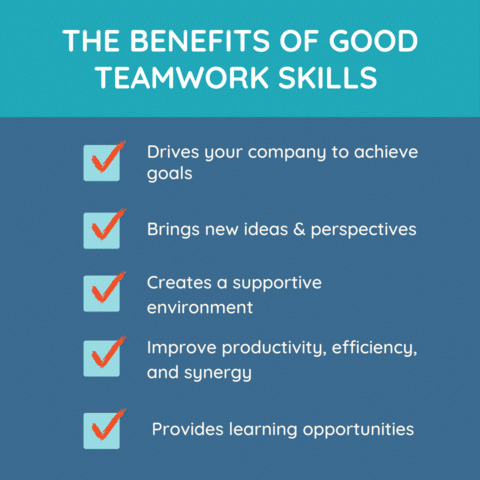
Good teamwork skills are vital to the success of a company because they:
- Are the catalyst that drives your company toward achieving its goals
- Bring new ideas and unique perspectives to completing tasks
- Create a supportive work environment that builds morale
- Improve productivity, efficiency, and synergy within the workplace
- Provide learning experiences for team members to improve their skillsets
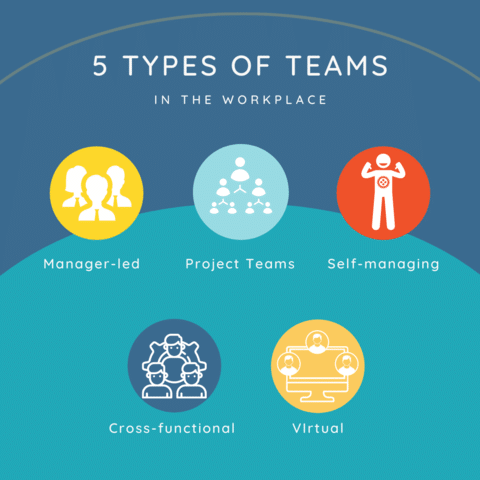
You’ll find different types of teams in the workplace, each with its own characteristics:
- Manager-led teams have one leader outside the group that oversees the executive functions of the group, while team members perform all the required tasks.
- Project teams are formed for the purpose of completing a project and usually disband after the project is complete.
- Self-managing teams are made up solely of employees who carry out all or most of the operations of the team, including managerial.
- Cross-functional teams have members from multiple departments from within an organization who function toward a common goal.
- Virtual teams communicate using technology so that team members in different geographical locations can collaborate together.
Leader Teamwork Skills
Leaders should act as a mentor and inspire their team to achieve team goals. Good leadership means you help spread knowledge to employees so they can collaborate and succeed.
A good team leader creates a positive, supportive work environment that celebrates the successes of individuals and the team as a whole and provides constructive feedback and training when improvements are needed.
As a leader, you have a vision for what you need the team to achieve, and you motivate the team to use its strengths to problem-solve and succeed.
Employee Teamwork Skills
When employers are looking to build a successful team, they’re searching for particular qualities listed on your resume. Examples of key teamwork skills resume-building phrases include statements similar to the following:
- Thrives in a team environment
- Dedicated team member
- Able to communicate, interact, and express ideas
- Builds a positive team spirit
- Promotes collaboration and sharing
- Always respectful, professional, and inclusive
As an employer going through the hiring process, you’ll want to ask questions that will help you determine if a potential employee will work well within the team. Will they be an asset to the team, and do they have past teamwork experiences that will lead to achievements?
What Are Good Teamwork Skills & Examples?
Good teamwork skills are considered soft skills that make the workplace function at its best. Take a look at eight of the most important teamwork skills as well as teamwork skills examples that you can apply to your workplace.
Teamwork In the Office
There are many ways to improve teamwork in the office, but it can be difficult to know where to start. You can start by asking your team what they feel about teamwork and how they would improve it. Next, write down the specific goals for the team and what you hope to achieve. Make sure to set specific dates for the goals to be achieved, and be sure to communicate them to your team. Here are some helpful tips to improve teamwork in the office.
Increasing teamwork in the office has several benefits. For one thing, it allows employees to learn from one another. It also enables employees to cover each other’s tasks when needed. Ultimately, this can lead to an adaptable and flexible team. Employees will also feel more confident if their colleagues give them assistance. A positive environment will also help foster team spirit. By encouraging teamwork, your employees will work towards reaching goals together.
Why is Teamwork Is Important in Workplace
Teamwork is essential to the success of any business and can enhance your efficiency in the workplace. By working together, you can divide up a large project into small tasks, and the best employee can work on the part that matches their expertise. This will result in a higher quality final product. This article looks at some of the key reasons why teamwork is so important in the workplace. Read on to learn more. We’ve outlined five benefits of teamwork that will help your business succeed.
Working together improves individual performance. Not only will teamwork improve your work, but it will also increase your skills. Working with others can improve your professional network. When you work with people from different backgrounds and skills, you will be able to learn from each other, improve your skills, and network with colleagues. In the long run, teamwork will improve your career and help you advance in your career. Teamwork is essential to the success of any company.
Lack of teamwork will hamper productivity and growth. Without teamwork, your company will struggle to meet its goals. If employees don’t feel valued and are undervalued, they’ll quit. Eventually, you’ll have a high employee turnover rate, which will hinder your company’s progress. The bottom line benefits of teamwork are obvious. It will improve employee morale and retention. And of course, teamwork promotes positive relationships with clients.
Strong teamwork will increase employee satisfaction and reduce turnover. Teamwork will also help your company reach higher profit margins. However, strong teams don’t happen overnight. Building diverse and inclusive teams will take time and effort. It will also require you to focus on fostering clear communication. You can also encourage employees to learn new skills by establishing regular team meetings and learning opportunities. So, why is teamwork important? So let’s get started.
Team Working Skills Example: Communication
Good communication is a crucial teamwork skill. Open communication is the foundation of good teamwork. Team members must be able to clearly express their ideas and respectfully listen to and understand the ideas of others.
As a leader or manager, you’re responsible for creating an environment in which everyone feels comfortable speaking up no matter what. Ask people to share their thoughts and opinions, and actively seek out feedback. Make sure each team member has a voice.
As an employee, be honest and open yet courteous and empathetic to promote trust and positivity within your team. When disagreements arise, effective communication skills will encourage collaboration instead of contention for quick resolutions to issues.
Be aware that both non-verbal and verbal communication skills impact the group. Use a variety of ways to foster communication within your team, including in-person, email, messaging, phone calls, video conferences, and team management platforms like Slack and Asana.
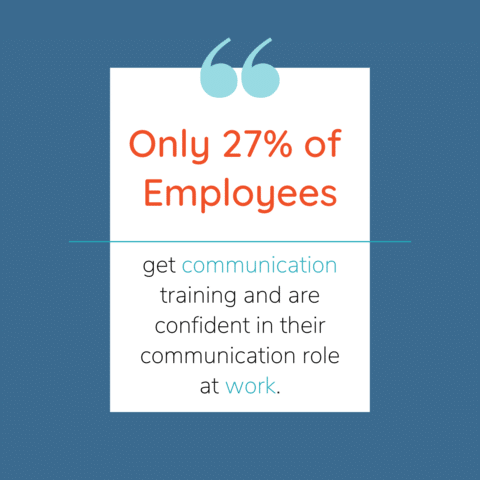
Despite the importance of communication, only 27% of employees receive training in it. This is a critical teamwork skill. Be aware of where communication might be lacking within your company. Providing ongoing coaching and instruction is a worthy investment.
Collaboration
Both C-level executives and employees consider collaboration among the top four important skills for an employee’s future success. Working together allows team members to share creative ideas and utilize unique skills. And sharing different interpretations or experiences can lead to more productivity.
A group leader steers the effort to set clearly defined goals and assign team members responsibilities according to their strengths. Always include the team in developing goals and assignments so the spirit of collaboration is set as an expectation from the onset. Support and acknowledge team members on an ongoing basis as well.
Identifying and utilizing the individual strengths of team members is essential to good collaboration. As an employee, keep the vision of the project or goal in mind as you work together. By pulling your ideas and skills together, you’ll achieve much more as a group than you can individually.
Accountability
Setting a foundation of roles and responsibilities for each team member helps eliminate the risk of the work not being completed or being done improperly. And as each person holds themselves accountable, trust builds within the team.
Leaders share responsibilities with team members to achieve specific, common goals. One of the most admirable traits of a leader is to be able to admit when you’ve made a mistake. Work with your team to address issues and solve them together.
As a team member put forth your best effort and keep your standards high. When things don’t go as planned, be transparent with your team, and never shift blame. These traits will enhance team cohesiveness, and people will be motivated to work together to help pull the weight.
Positivity
A positive attitude can help a team be much more productive than a bland or negative outlook. While it’s common to think success brings happiness, the inverse is actually true: happiness creates success.
That’s because happy people tend to look for ways to take on new challenges that create more happiness, satisfaction, and other positive emotions.
A positive attitude is infectious, so when a leader is optimistic, supportive, and upbeat, the team is also empowered with these traits. Be empathetic, offer encouragement, and recognize efforts. Your positive attitude will help improve problem-solving, create resilience, increase productivity, and motivate your team.
The same applies to employees. Focus on what is going right and what you can do more than what problems are looming or what is out of your control. When someone presents an idea that you might not agree with, acknowledge the merit of their idea before presenting your alternative.
Problem-Solving
Teams are formed to solve problems, so effective problem-solving and conflict-resolution skills are crucial in the workplace. What are examples of teamwork skills in this case? Staying calm, thinking creatively, giving and receiving feedback, being task-focused, and keeping the big picture in mind.
Develop a problem-solving strategy as a leader or manager so that when a problem or conflict arises, the team will know what steps to take to solve it. And always empower your team to brainstorm, collaborate, and create solutions themselves instead of fixing problems. This further strengthens your team bond and productivity.
As a team member, help define the problem and research possible solutions. Work with teammates to assess their ideas and take part in discussions to identify solutions that are more likely to have a positive outcome. Be willing to take well-informed risks when needed.
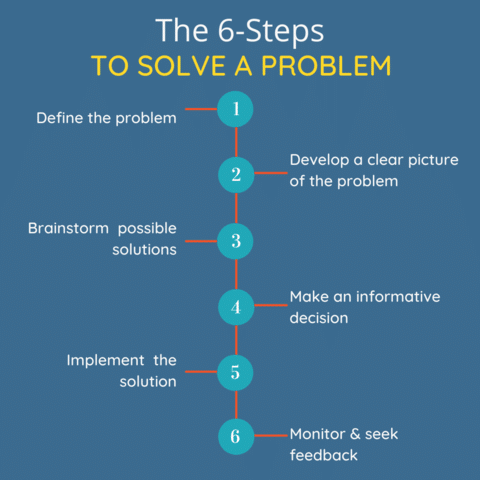
As a team, consider using these steps to problem-solving:
- Define the problem and assess if there may be multiple problems.
- Develop a clear picture of what the problem is through fact-finding, careful observation, and analysis.
- Look for possible solutions through brainstorming, further research, and discussion.
- Make a decision based on the information available.
- Implement the solution.
- Monitor the solution and seek feedback to gauge success.
Time Management
Time management goes hand-in-hand with having organization within your team. Knowing how to meet deadlines, stay on track, and prioritize are key to successful teamwork.
To effectively manage your time as a leader, delegate tasks to team members that don’t require your skillset or direct attention. Choose people who have the skills or potential to carry out the tasks, and provide necessary guidance.
For your own tasks and for employees’ tasks, know what your deadlines are and create a schedule to meet them. Set realistic goals and prioritize tasks so that you’re tackling the most important ones first. Planning ahead and minimizing distractions will help you meet deadlines and minimize stress.
Listening
Listening allows both employers and employees to see different angles that may be better in the end. Team members build rapport when they’re open to each other’s ideas and feedback and listen before responding.
As a leader, actively listen to your team members by making eye contact and minimizing distractions when they’re talking to you. Summarize verbally what you hear them saying and get confirmation that you’re right. Then give a thoughtful response, even if it’s that you’ll consider what they’ve said and get back to them by Friday.
As a team member, show your teammates with nonverbal cues that you’re listening, such as facing them, nodding your head, and giving appropriate facial expressions. Appreciate those with a different perspective than yours as they may help you see things in a way you haven’t before. Ask clarifying questions to make sure you fully understand.
Respect
Respectful team members are highly sought after because they create an inclusive, productive, and positive work atmosphere. Teams that show mutual respect, even when they disagree or are very different from each other, foster an ideal work environment.
As a leader or manager, respecting your employees will allow them to trust you, which creates loyalty and enhances productivity. While your team may initially respect your position of leadership, they will only come to respect you as a person as you earn it through compassion, empathy, support, consistency, honesty, transparency, and mutual trust.
When engaging with fellow teammates and leaders, employees show respect by actively listening and accepting — and valuing — each other’s differences. Calling a person by their name or title shows respect, as does politeness and common courtesy.
Signs of Bad Teamwork Skills
Teams don’t always succeed, especially when they’re deficient in the skills we’ve identified. One study reports that team projects may fail as high as 50 to 70 percent of the time.
Poor teamwork can cause a variety of problems, including team members conforming to peer pressure from strong personalities and not voicing their opinions or sharing their insights.
Lacking teamwork ability erodes motivation, trust, and productivity, resulting in missed deadlines, a stagnant work environment, and a company’s lack of progress.
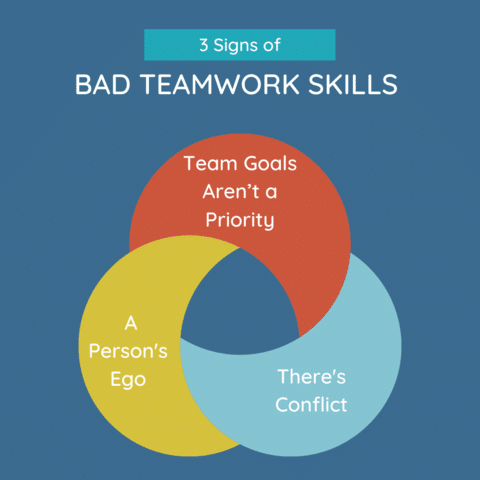
Here are three signs that your organization may be suffering from bad teamwork skills:
There’s Conflict
If there are more conflicts between team members than there are resolutions, this is a sign your team works poorly together. This means your team will be unproductive and your company’s goals won’t be reached.
A Person’s Ego
Having a “Me” mentality is never a good sign, in both managers and employees. Individuals with a self-centered mentality won’t be open to change, new ideas, or communicating effectively and respectfully. A person’s ego can also sneak up in temporary circumstances when they’re unwilling to budge on an idea or principle.
Team Goals Aren’t a Priority
Personal success is important, but if employees aren’t willing to work together on a project to meet company goals, then this a sign they won’t be a good asset to the company. If notice cliques developing within your team or outsiders who prefer to work alone, team goals are likely not a priority.
How to Improve Teamwork Skills in Your Workplace
Improving your teamwork will help lead to success — not only for your company but also for individual employees and leaders.
As a leader, if you have poor teamwork or notice some key skills are lacking, how will you improve the teamwork at your company?
Proper intervention includes training in problem-solving and conflict resolution as well as and team-building exercises.
Offer Team Assessments
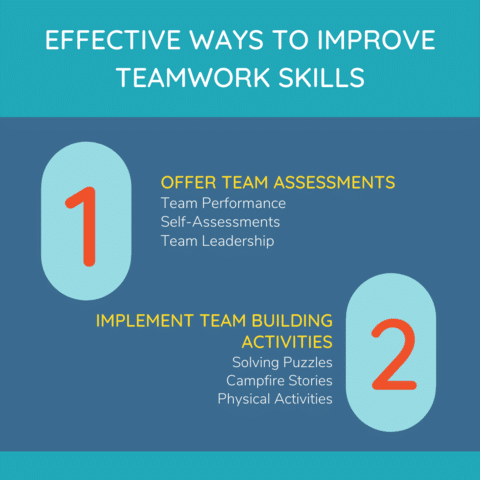
Professional team assessments allow leaders and team members to achieve their goals and excel in their personal work. Through targeted questions and analysis, assessments help team members discover their strengths and weaknesses, allowing teams to see what strategies will work best when tackling projects together.
Consider these three types of team assessments your company can use to improve teamwork skills:
- Team performance assessments analyze the personality types of individual team members so you can understand how each person can effectively contribute to a common goal.
- Team self-assessments help team members understand themselves better so they can be more empowered to react to pressure, solve problems, interpret situations, and work with others.
- Team leadership assessments evaluate the leadership styles of managers and help them learn to be better leaders.
Implement Team Building Activities
Along with team assessments, team building activities give your team practice in working together to solve problems that are typically not work-related. These experiences help break down barriers, reveal the strengths of team members, build genuine relationships, and create cohesiveness within the team.
Speak with team building experts to discover team building activities available to you. Their experienced guidance can help you zero in on the skills your team needs to strengthen and provide the safe, positive atmosphere your team needs to participate in the activities.
As your team practices various exercises, you and your team members will see how they can overcome obstacles together and apply those strategies to the workplace.
Just a few of the many examples of team-building activities include:
- Solving puzzles together, including activities like escape rooms
- Sharing campfire stories in which team members learn more about each other by talking about workplace experiences
- Having scavenger hunts
- Participating in physical activities such as group juggling, creating a human knot, and doing community service
It’s Time to Build Your Successful Team
When the leaders and employees of your company know how to use good teamwork skills, your company’s success is able to skyrocket. Without them, it’s likely that your business will remain stagnant or experience losses that are difficult to recover from.
Are you looking to begin building a team? Remember the eight core teamwork skills that create winning teams and identify which skills your team may need training, support, or course correction in. These skills are:
- Communication
- Collaboration
- Accountability
- Positivity
- Problem-solving
- Time management
- Listening
- Respect
Arrange for your team to participate in team-building exercises to give them practice in working together, relationship-building, and problem-solving. These exercises take place in a low-stress environment that helps teams build cohesiveness without the pressure of missed deadlines or failed projects.
And use team assessments to identify needed teamwork skills as well as the strengths, personalities, and leadership styles of team members. These same assessments also provide feedback and training exercises to help you improve teamwork in your company.