Great managers don’t just manage tasks. They know their people, invest in their growth, and lead with intention — one conversation at a time.
Think about the managers on your team right now. Do they truly know their people? Not just their roles and responsibilities, but what drives them, what holds them back, how they prefer to communicate, and what kind of support they need to grow.
That level of knowing isn’t accidental. It is built deliberately through self-awareness, intentional conversation, and a genuine commitment to investing in people.
Two frameworks sit at the heart of that kind of leadership. DiSC® is a research-backed behavioral assessment that helps leaders understand themselves and others. The talent conversation is a structured approach to the regular, purposeful conversations that drive performance and development. Together, they give managers a foundation for leading with more confidence, clarity, and impact.
Starting with self-awareness: the DiSC® model
Developed from the original research of William Moulton Marston in the early 1900s, DiSC® is not a test and it does not measure performance. It is an indicator of behavioral style. It shows how a person tends to approach tasks, people, pace, and problems in their everyday environment.
Every style is equally valuable. Every style also has blind spots. That is what makes DiSC® such a powerful tool for managers.
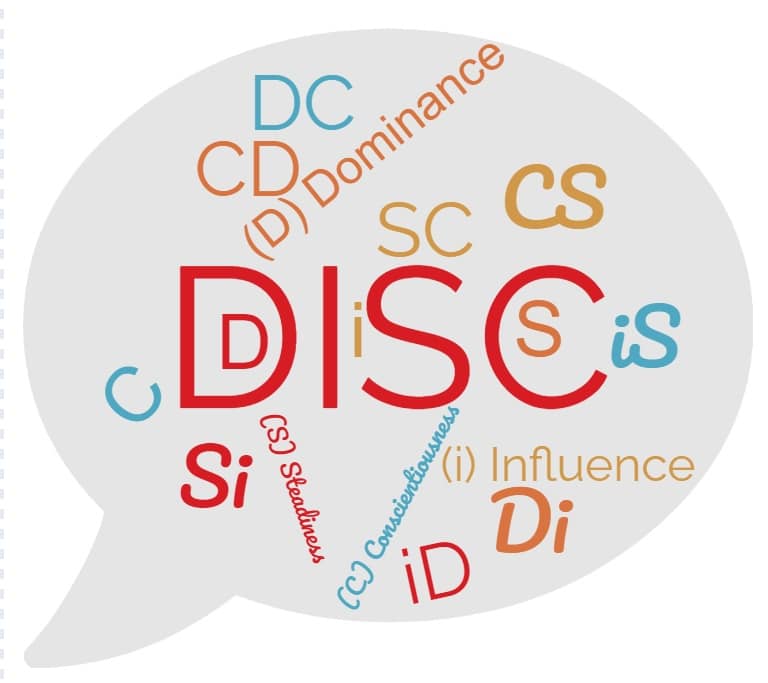
The four DiSC® styles
| Style | Name | Priorities and tendencies |
|---|---|---|
| D | Dominance | Fast-paced and questioning. Driven by results, directness, and getting things done. Values control and decisive action. |
| i | Influence | Fast-paced and warm. Energized by people, enthusiasm, and collaboration. Values optimism and recognition. |
| S | Steadiness | Cautious and warm. Values stability, sincerity, and dependability. Thrives in supportive, consistent environments. |
| C | Conscientiousness | Cautious and skeptical. Driven by accuracy, quality, and expertise. Values logic, process, and thoroughness. |
For managers, the real value of DiSC® isn’t just understanding their own style. It is learning how to flex toward the styles of the people they lead. A D manager who learns to slow down and check in with an S-style team member builds trust. A C-style leader who learns to acknowledge the emotional needs of an i-style colleague creates connection.
Flexing your style isn’t about being inauthentic. It is about meeting people where they are.
The talent conversation: from manager to developer
A talent conversation is defined as a conversation with an individual designed to influence their performance and development and increase positive outcomes. What makes them powerful is their frequency and intentionality. These are not annual reviews or crisis check-ins. They are the ongoing, consistent investment a manager makes in each person on their team.
Effective talent conversations are built on a simple but powerful distinction. A talent conversation is not done to someone — it is done with them. That shift from directive to collaborative is where real development happens.
“A talent conversation is not done to someone but with someone.”
Center for Creative Leadership.
The ACS™ model: a framework for every conversation
One of the most practical tools for managers preparing for a talent conversation is the Assessment-Challenge-Support model, developed by the Center for Creative Leadership. It gives structure to what can otherwise feel like a vague or uncomfortable conversation.
| Letter | Focus | Questions to ask |
|---|---|---|
| A | Assessment | What have I observed? What does feedback from others say? Where is this person on the performance-potential grid? |
| C | Challenge | What opportunities will stretch this person? What are the realistic next steps? What obstacles need to be addressed? |
| S | Support | What motivates this individual? What resources are available? How will we create shared accountability? |
The ACS™ model works across four distinct talent profiles. Each profile requires a different kind of conversation and a different emphasis in the challenge and support dimensions.
| Talent type | What the conversation centers on |
|---|---|
| Underperformer | Define clear expectations through specific goals. Focus the conversation on improvement, accountability, and realistic timelines. |
| Potential performer | Dedicate time to strategic projects that match their performance with their potential. Help bridge the gap between capability and results. |
| Solid performer | Expand their responsibilities so they see the broader value of their work. Help them reveal their potential to become top talent. |
| Top talent | Invest through exposure, stakeholder visibility, and a succession plan that aligns their interests with the organization’s future. |
The ABC model: how you say it matters as much as what you say
Beyond the structure of what to say, the most effective talent conversations depend on how the manager shows up. The Attention-Belief-Connection model focuses on the relational dimension of leadership that determines whether a conversation lands with impact or falls flat.
| Letter | Dimension | What it means |
|---|---|---|
| A | Attention | What has our attention gets done. The greatest gift you can give your talent is your full, undivided presence in the conversation. |
| B | Belief | What leaders believe has a profound impact on how they behave and are perceived. Believe in your people’s ability to grow, change, and perform. |
| C | Connection | Build connection throughout the year — not just at evaluation time. Genuine human connection is the foundation of relational engagement. |
Attention means being fully present. It is not half-listening while composing the next email in your head. Belief means genuinely holding the view that your people can grow, change, and perform at a higher level. Connection means building the kind of trusted relationship that makes honest conversation possible long before it is urgent.
As the Center for Creative Leadership notes, leaders need to know more than how the talent is perceived or what the metrics say. They need to know the talent — what they are working on, what they care about, and what they need to thrive.
What this means for your organization
When managers understand their own DiSC® style and can flex toward the styles of others, communication improves. When they conduct regular, structured talent conversations using the ACS™ model, performance becomes more intentional and development becomes more visible. When they lead with attention, belief, and genuine connection, people stay — and they grow.
The gap between a good manager and a great one is rarely about technical skill. It is about the willingness to know your people deeply and the discipline to show up for them consistently. DiSC® and talent conversations give managers both the insight and the structure to do exactly that.
The managers who lead best are not the ones with the loudest authority. They are the ones who show up curious, prepared, and genuinely invested in the people they lead. DiSC® gives them the self-awareness to flex their style.
Talent conversations give them the structure to act on it. Together, they build the kind of leadership that retains great people and grows better teams.
Ready to bring this to your team?
CCG delivers DiSC® facilitation and talent conversation coaching designed to build stronger managers and more engaged teams. If this fits your team, explore CCG workshops and coaching services.
DiSC® is a registered trademark of John Wiley & Sons, Inc. The ACS™ model and talent conversation frameworks referenced herein are from the Talent Conversations Workshop Kit © Center for Creative Leadership. All rights reserved.